|
$$PLAIN_TEXT_PREVIEW$$
|
As always, here are some things you can do to support young creatives and promote arts & cultural education! Read the next blog in our VALUING WAYS OF KNOWING series: “Ways of Learning” by Ali Pavlich. Learn about our latest publication, “Responsive Review Of Practice: Nationwide Perspectives On Virtual Learning, Digital, And Technology Integration In Arts Learning” by André Solomon, Camea Davis, & Jeff M. Poulin. Check out our latest opportunities for young creatives, teaching artists, and artists.
|
|
Each year, Creative Generation conducts a campaign with a specific focus and this year’s campaign is “Intergenerational Collaboration,” explored through quarterly topics. In this blog, Manger of Operations Ali Pavlich explores this quarter’s topic, Valuing Ways of Knowing, through the lens of learning a new skill. |
|
|
|
|
|
“As practitioners, many of us naturally identify patterns and themes; others process information in terms of design. Moving forward with a process, like this one, to uplift, aggregate, analyze, and present information opens up numerous pathways for practitioners of all types and learners of all styles.” |
|
|
|
As education and cultural systems continue to grapple with the impacts of the COVID-19 pandemic, those involved in the systems—primarily the decision-makers, policy implementers, educators, and their collaborators—face unprecedented changes, especially in relation to the integration of virtual learning, digital literacy, and technology in arts learning. |
|
|
|
|

|
This Overview of Documented Knowledge explores the history of the notion of “starving artist” as well as issues of elitism and perceptions of serious artistry which intersect with each other. Through a review and analysis of existing knowledge from the cultural sector, the author argues that financial and educational barriers keeping many out of artistic practice contributes to an industry atmosphere that encourages multihyphenate work in order to stay afloat. |
|
|
|
|
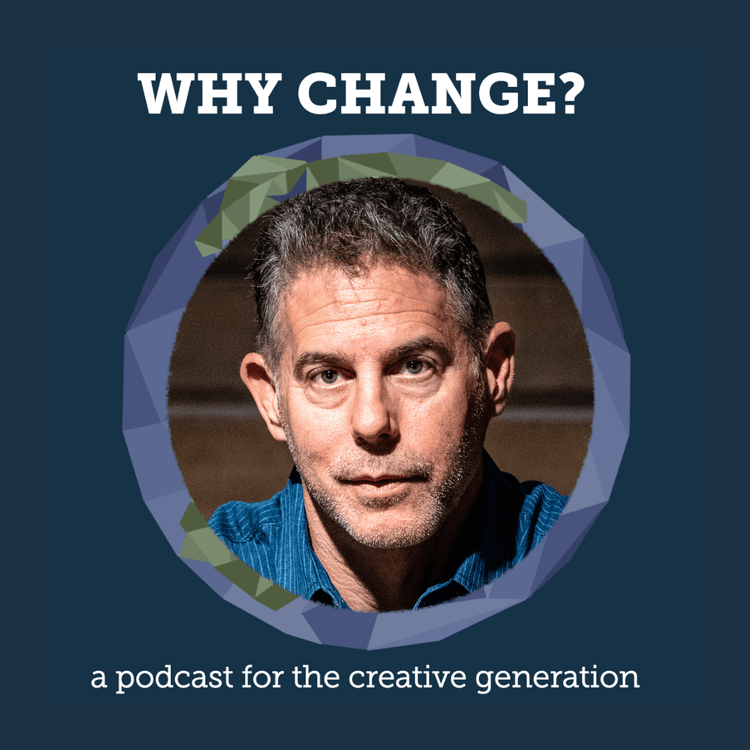
In this episode of Why Change?, co-hosts Madeleine and Jeff share their recent creative endeavors and what they’ve learned from recent podcast guests. Madeleine shares her interview with Michael Rohd about his work at the intersection of artistic and civic practice. They discuss the intersection of arts and other sectors, working in systemic change, and centering those most impacted. |
|
|
|
During this episode of Why Change? co-hosts Ashraf and Jeff discuss the season of change in their work. Jeff shares his interview with Porché Hardy, an arts program officer from the Wallace Foundation. They discuss the changing landscape and processes of philanthropy towards more equitable giving; primarily through humble curiosity. Ashraf and Jeff think about the implications for the broader field of arts, culture, and creativity funding in the U.S. |
|

|
|
|
|
|
Wed, Sep 13
Guided by experts from across Canada, this series offers three complimentary online sessions for those eager to delve into the significance of data as it pertains to arts organizations. |
|
|
|
Wed, Sep 13
CAN is a multi-year grant initiative creating nationwide virtual Professional Learning Communities (PLCs) with educators in visual/media arts, music, theatre, and dance. CAN’s purpose is to build a |
|
|
|
|
|
Fri, Sep 01
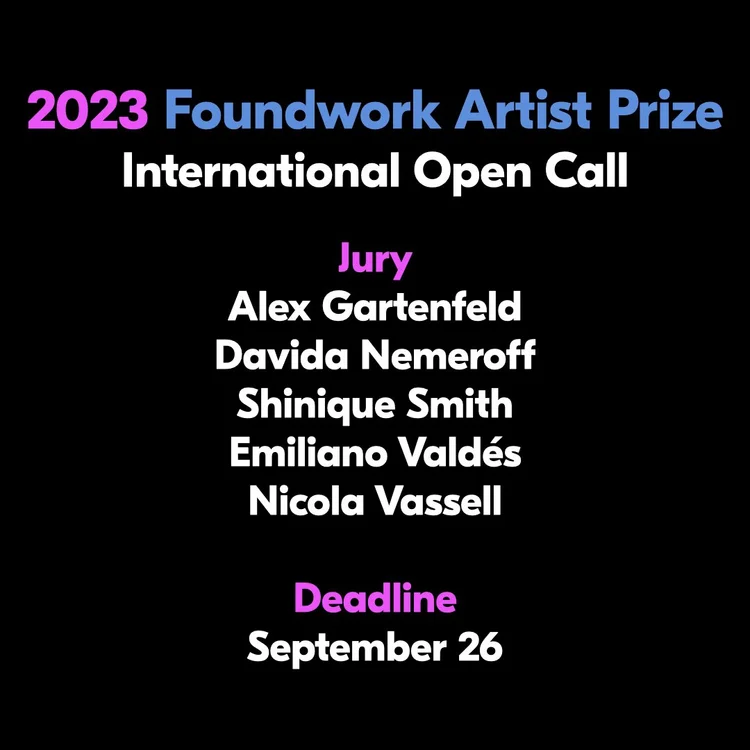
The Foundwork Artist Prize is an annual juried award that we started in 2019 to recognize outstanding emerging and mid-career artists working in any media. Honorees receive unrestricted $10,000 grants |
|
|
|
Fri, Sep 01
Calling all Performing Artists for Works-in-Progress: Mark DeGarmo Dance Seeks Applicants by Sept. 15th for its Virtual Salon Performance Series for Social Change 2024, Broadcast via Zoom on Thursdays |
|
|
|
|
|
Thu, Aug 17
Critical and cooperative principles form the foundation of the 2nd edition of FAACCC Festival (that will take place between October the 4th and the 8th ). We aim to critically reflect and transform |
|
|
|
|
|
|


